
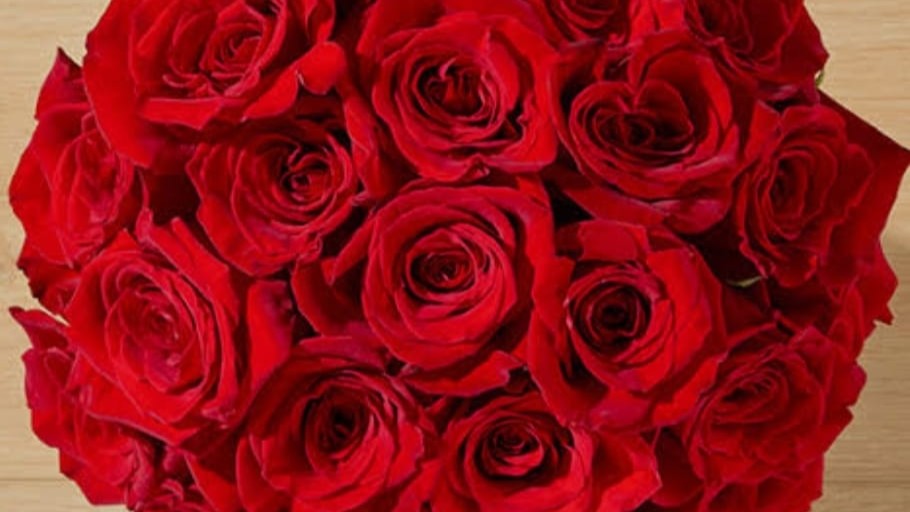
Last weekend, love seemed to be everywhere. Roses, candlelit dinners, heartfelt messages — “love is in the air,” they say. But it makes one pause and wonder: Is the love we celebrate on this day a pure and lasting emotion, or simply a beautiful moment etched in the heart for a season?
Valentine’s Day is one of those dates that carries far more emotion than its twenty-four hours can hold. Every year on February 14, the world pauses—restaurants fill, flowers sell out, messages multiply, and love becomes public. But beneath the red roses and curated posts lies a deeper question: what does this day truly mean?
The origins of Valentine’s Day are often linked to Saint Valentine, remembered as a symbol of devotion and sacrifice. Over time, what began as a tribute to courage and commitment evolved into a global celebration of romance. Yet somewhere between tradition and commercialization, the essence sometimes gets blurred.
Valentine’s Day is not meant to measure love; it is meant to remind us of it. For some, it is a day of butterflies, handwritten notes, and whispered promises. For others, it can quietly amplify loneliness, comparison, or disappointment. Social media often paints love in grand gestures—perfect proposals, extravagant gifts, flawless relationships. But real love rarely lives in perfection. It lives in patience. In forgiveness. In choosing someone on ordinary days when there are no cameras and no applause.
The realization many come to—sometimes after years—is that love is not proven in a single day. It is revealed in consistency. It is found in the partner who listens when you are overwhelmed, in the friend who checks on you without a reminder, in the family member who stands by you during storms. Love is not loud; it is loyal.
Valentine’s Day also invites a more personal reflection. Beyond romantic relationships, it asks: Do I love myself well? Do I honor my needs, my boundaries, my worth? Because the truth is, no bouquet can compensate for a heart that feels unseen by itself.
There is beauty in celebrating love. There is nothing wrong with flowers, dinners, or thoughtful gifts. But when the day becomes a comparison contest or a pressure to perform affection, we drift away from its heart. The essence of Valentine’s Day is connection—genuine, imperfect, human connection.
Long after the chocolates are finished and the decorations packed away, what remains are the impressions we leave on each other. Did we speak kindly? Did we appreciate openly? Did we choose gratitude over expectation?
Perhaps the lasting message of Valentine’s Day is this: Love is not an event. It is a practice. Not a display, but a daily decision. And when we understand that, February 14 becomes less about proving love—and more about living it.
Because real love is not proven in a day; it is revealed in the thousand ordinary moments we choose each other again and again.
I invite you to make a diary note this weekend of your Valentine’s Day 2026 celebration.


 Chat on WhatsApp